
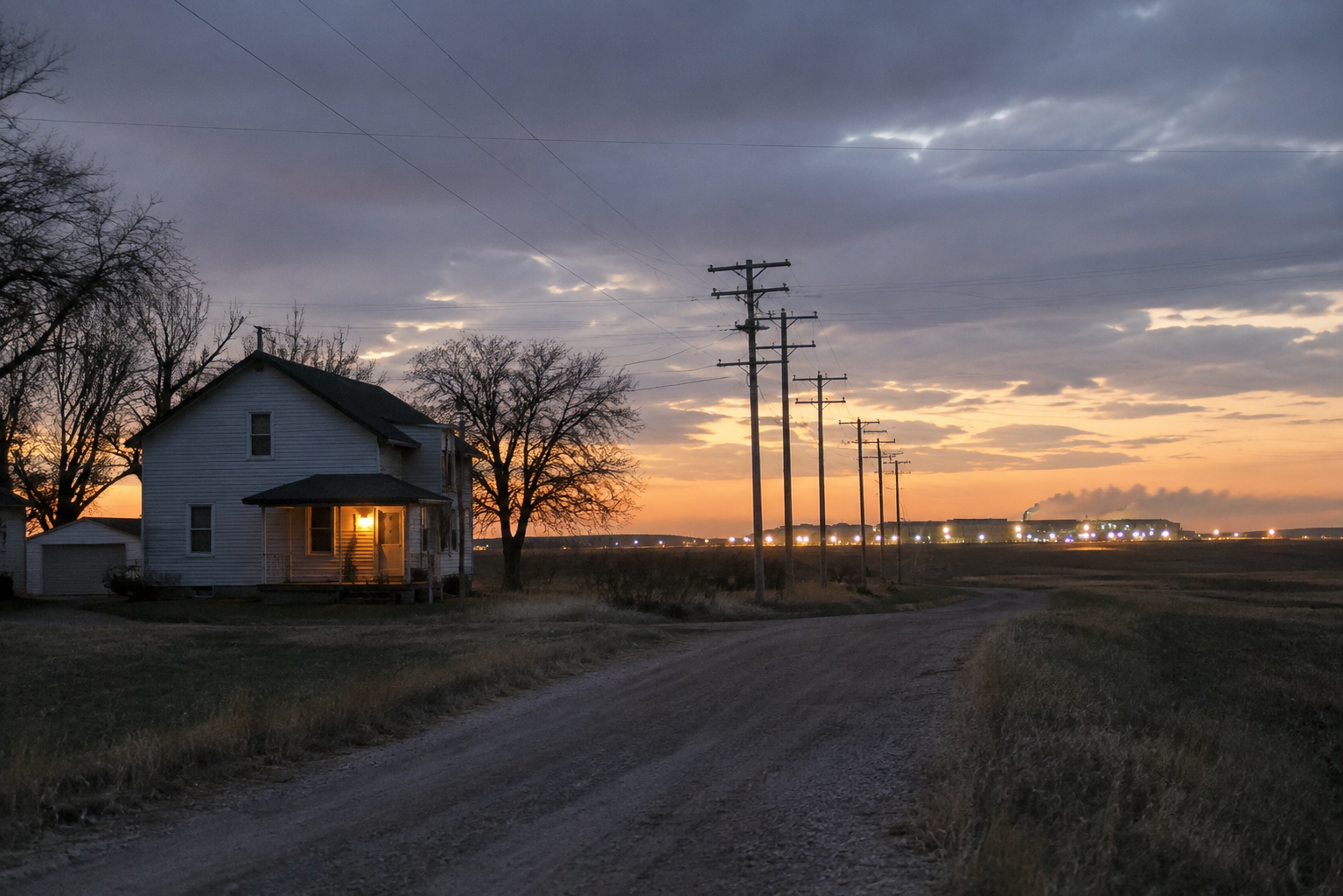
Data center growth in North Dakota has made the state one of the country’s fastest-growing hosts for AI infrastructure, and the pitch behind it is consistent: cold air that cuts cooling costs, wind power the grid can’t fully export, and a legislature that has kept the door open while other states start closing theirs.
Applied Digital, the company behind the state’s largest buildout — campuses near Ellendale, Jamestown, Harwood and a newly announced site near Center — has been the most public about the math. The company has said choosing areas with stranded power and cooler climates can cut annual electricity costs by $50 to $60 million per year compared to other 100-megawatt data centers, or up to $2.7 billion over 30 years. Company executives have described the calculus more simply: electricity is usually the first consideration, followed by land, existing infrastructure and permitting.
State law backs that up. Since 2015, North Dakota has exempted qualifying data centers — facilities of at least 15,000 square feet, built or substantially refurbished after 2020 — from sales tax on computer equipment and software. Legislative staff have described the exemption’s goal as diversifying the state’s economy by creating a tax environment attractive enough to compete with neighboring states already offering similar breaks.
The open question is who’s actually covering the cost of the power these facilities draw.
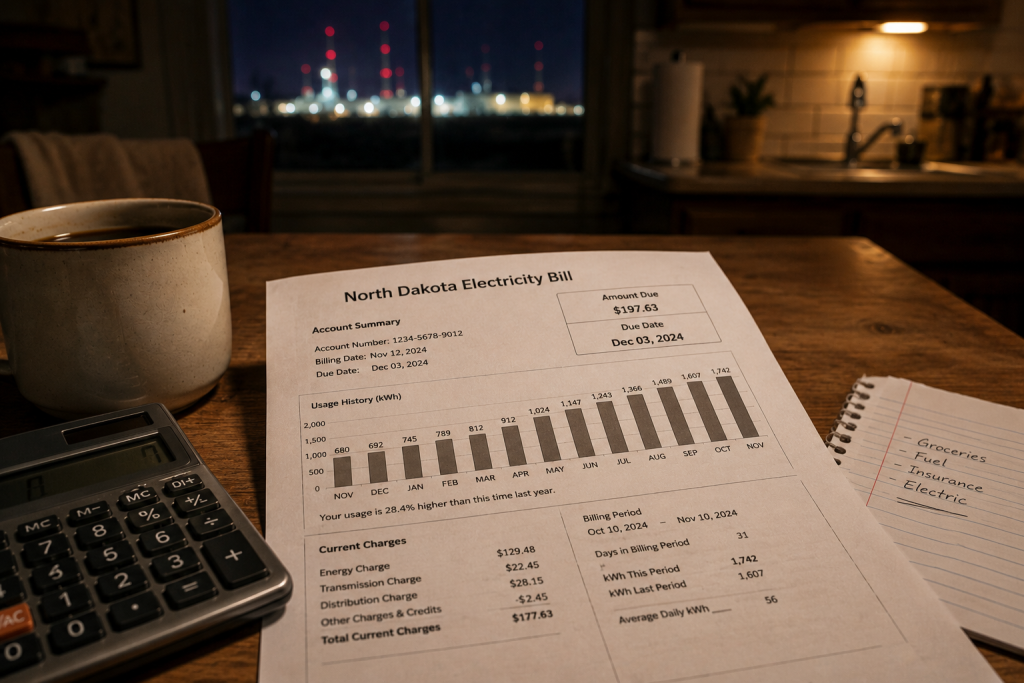
The record so far is mixed. Regulatory filings show Applied Digital’s Ellendale facility, by soaking up otherwise-wasted wind power, generated more than $24.8 million in savings for North Dakota electric customers between 2023 and 2026. But elsewhere, ratepayers have absorbed costs: after a 2023 dispute over grid congestion tied to a Williston-area facility, federal regulators denied a utility’s complaint, and North Dakota electric customers are still paying about $7.40 extra per month in resulting transmission costs.
Oversight hasn’t kept pace with the buildout. North Dakota’s Public Service Commission regulates the power infrastructure serving data centers but has limited authority over the facilities themselves, and a bill to bring data centers under the commission’s regulatory framework died in committee. A national policy researcher has gone further, naming North Dakota among at least 14 states that don’t disclose how much individual data centers save through tax breaks — meaning the public has no clear tally of what the state is giving up in exchange for the jobs and investment.
Lawmakers have taken some steps to guard against cost-shifting, and utilities serving newer projects near Fargo say developers are covering their own infrastructure costs upfront. Whether that holds as the buildout accelerates — and whether North Dakotans can find out what each project is actually costing the state — remains unsettled.


Leave a Reply