Update, Oct. 9: The Bismarck Police Department told 701 Report that the crime figures in the coalition’s release are citywide totals, not statistics for the 24th Street area. Lt. Luke Gardiner, the department’s public information officer, pointed 701 Report to the Group A offenses table in the department’s 2025 annual report. All nine figures in the release appear in the report’s 2024 column, which covers the whole city. Eight match exactly. The release lists 814 simple assaults, and the report lists 841. The report also shows total Group A offenses fell 17%, from 5,981 in 2024 to 4,961 in 2025.
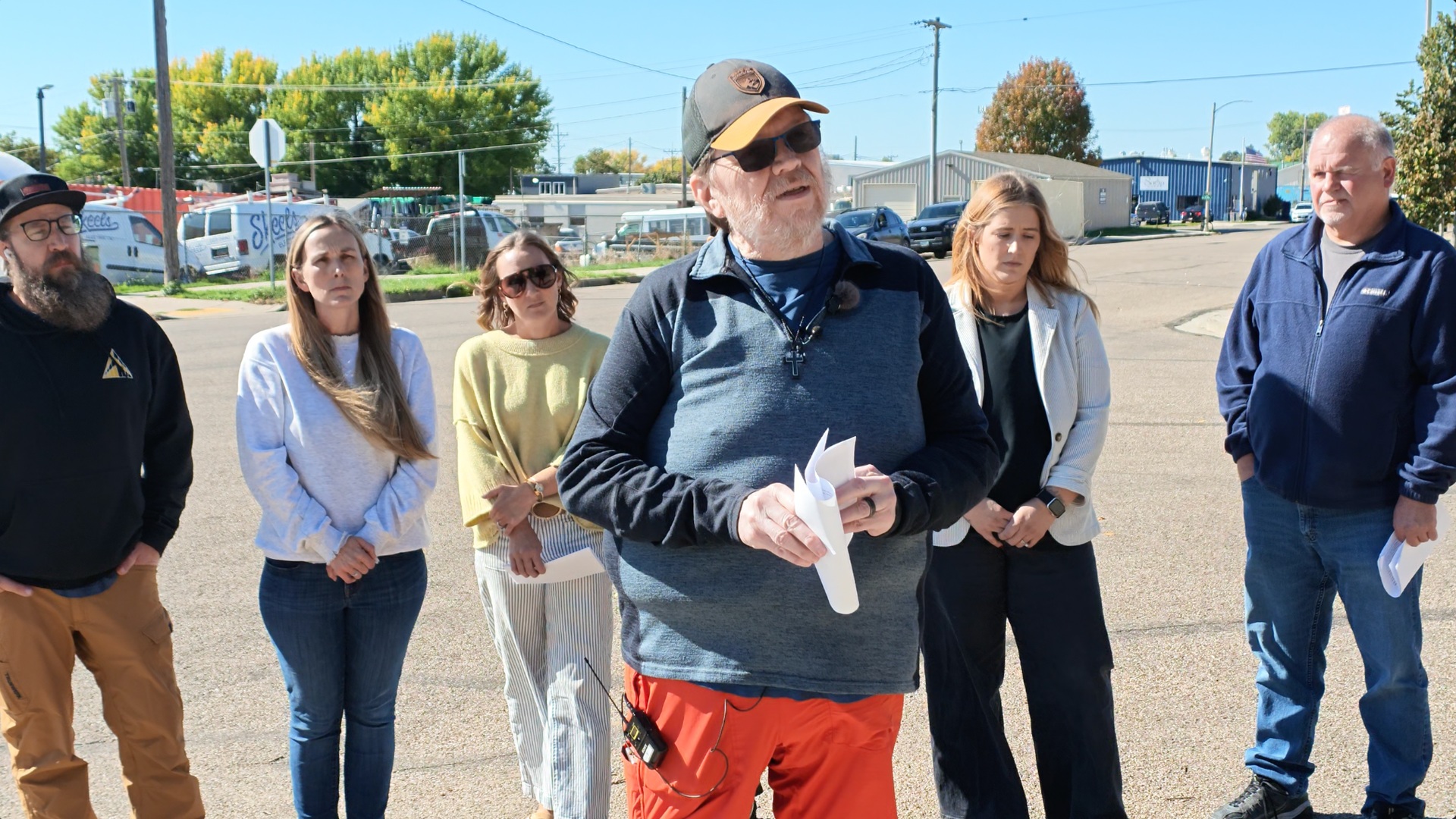
A group of neighbors, business owners and community members near 24th Street in east Bismarck announced the Bismarck Coalition for Change on Monday outside Calvary Chapel. The group says it will press the city and state for tighter regulation of homeless encampments, a “well-regulated” triage center, and more addiction and mental health treatment.
Pastor Phil Summa of Calvary Chapel runs a Facebook page that documents activity in the neighborhood. He chairs the coalition and spoke at the announcement. Summa told 701 Report that he and Nick Walker are the group’s spokespersons. Summa read from a written release. It did not name the group’s members or leaders.
What the coalition says
The release says crime in the 24th Street neighborhood is 30% higher than the rest of Bismarck. It cites what it calls Bismarck Police report data for one year. The figures include 814 simple assaults, 504 reports of property destruction, 191 burglaries, 186 vehicle thefts and 129 aggravated assaults.
The release does not say how the neighborhood was defined. It does not say which year the data covers or how the 30% figure was calculated. It also does not say that people living in the encampment committed any of those offenses. 701 Report has asked the Bismarck Police Department for the data behind the figures and will update this story with any response.
The release also says four alcohol-related deaths happened in the area this summer. It says three were in front of an organization that provides food and shelter. 701 Report has not independently confirmed those figures. 701 Report has asked police to confirm the number.
The coalition cited the Cicero Institute, a Texas-based think tank, for several national statistics. They are that people in encampments die at ten times the rate of the general population, that two-thirds report regular drug or alcohol use, that 80% have a mental illness, and that 4% name housing costs as the main reason they became homeless. The release did not name the studies behind those numbers. It did not say whether they reflect Bismarck’s population.
The coalition said it will present proposals to the city and state in the coming weeks. They include improvements to the camping ordinance, a regulated triage center, treatment programs, a homeless diversion court and civil commitment programs for people who are a danger to themselves or others. The release argues that housing alone will not fix the root causes. It says police engagement encourages people to accept services. It says organizations that take public money must show results.
What people at the camp say
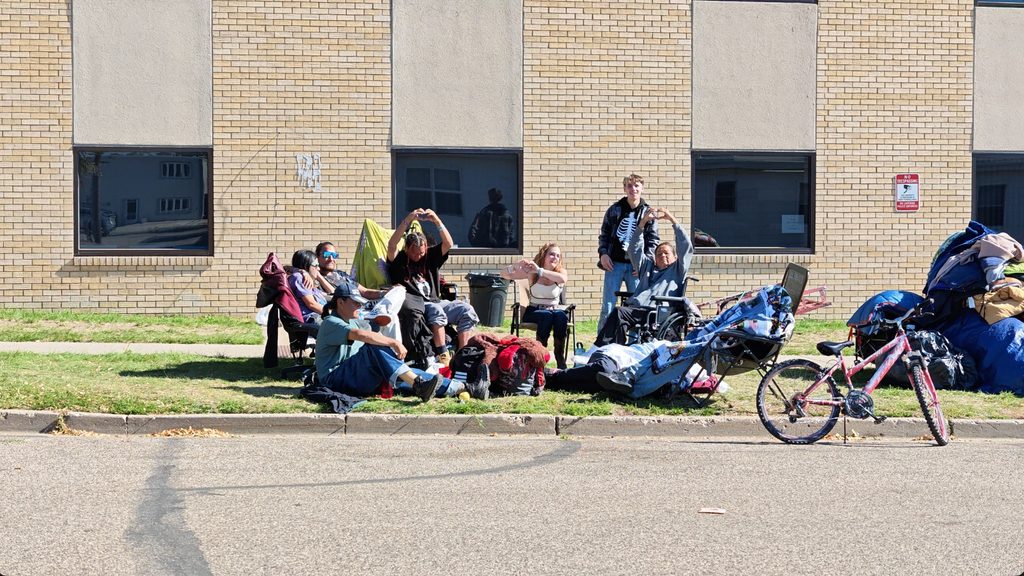
People at the camp described a different picture. A woman who asked not to be named said a typical day means waiting for an overnight shelter to open, then guarding everyone’s belongings. “We just sit here, watch cars go by, and wait for this to open up, and go in and sleep,” she said.
She said it is hard to find work without Social Security cards and with everything they own in a backpack that can be stolen. One man said he would like to see a shelter with no sign-up paperwork or drug testing, where people “could just have a safe place to lay down.”
People at the camp also said police have thrown away tents and blankets. They said they are grateful for the food and blankets that neighbors and groups bring. KFYR reported that people at the camp did not deny there is more crime in the area but said most of it does not come from them.
701 Report visited the camp. People there were friendly, and several agreed to talk. A few did not want to be on camera, and 701 Report respected that. At the end of the visit, a group posed for a photo, with some holding up hearts. One visit cannot confirm or rule out the break-ins, drug use and other problems that neighbors and the coalition describe.

What the ordinance says
Bismarck banned camping on public property in October 2024. The ban is Section 6-05-14 of the city code. It says no one may occupy a campsite on a sidewalk, street, alley, public right-of-way, park, bench or any other publicly owned property. The code’s general penalty rules set the maximum for an offense at 30 days in jail, a $1,500 fine, or both. The city attorney called this one a Class B misdemeanor, KFYR reported at the time.
Police cannot remove a campsite right away. The city must first post a notice 24 hours in advance and tell a local agency that serves homeless people where the campsite is. After 24 hours, police may remove the campsite and the belongings. Items with no apparent value or in an unsanitary condition can be thrown away immediately. Other belongings must be stored for at least 30 days and released to the owner. Sleeping on sidewalks, streets and alleys is banned separately, and people found doing it “may be immediately removed,” the code says.
Summa told 701 Report in an interview last week that after a clearing, people can be back within the hour. He said officers can do little beyond writing citations. 701 Report saw the camp re-form on the same stretch of 24th Street after a late-September clearing. Bismarck police have said they continue to respond to complaints under the ordinance, KFYR reported. The code does not say whether police must post a new 24-hour notice when people return to a campsite. 701 Report has asked police.
The coalition also argues that the same situation could technically develop on any stretch of public right-of-way in the city.
In September, commissioners discussed stricter penalties, including jail time. They shelved the proposal and chose to study the issue instead, including a possible low-barrier shelter, KFYR and KXNET reported.
KFYR also reported that police cleared tents on North 24th Street in late September. The camp has since moved to the front of Ministry on the Margins. Executive director Father Joe Hubbard told the station that belongings not taken across the street were dumped. 701 Report has asked police how belongings were handled in that clearing.
What’s next
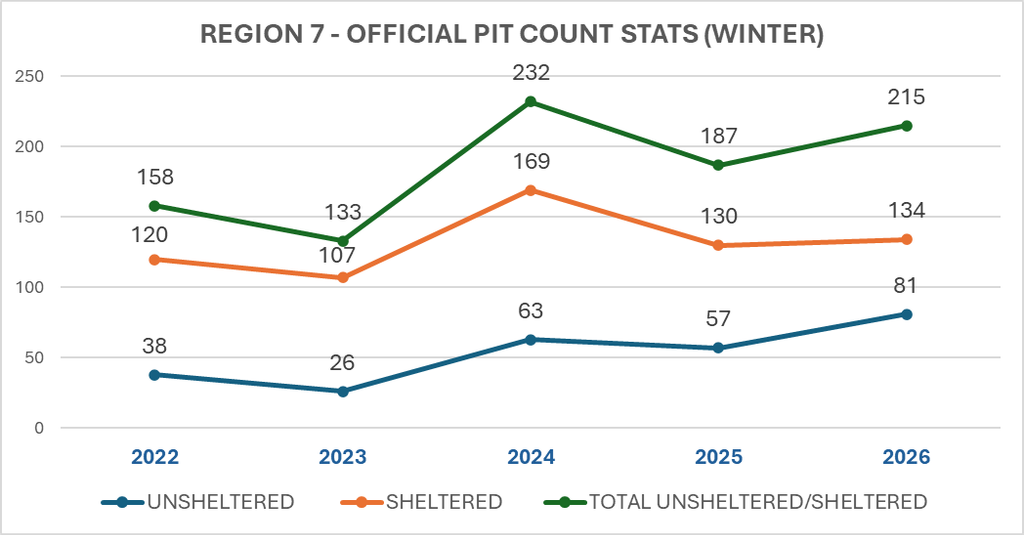
Bismarck-Burleigh Public Health Director Renae Moch responded to questions from 701 Report by email Tuesday. She said Public Health has no local data showing why people in Bismarck become homeless and does not track deaths among people experiencing homelessness. She said she cannot verify claims that enough help is available or that programs are full. Public Health’s own review found a shelter gap, she said: 42 year-round beds at the United Way shelter plus overflow, more than 100 people a night relying on temporary arrangements, and no shelter open around the clock. She said the 16th Street Park idea discussed in August was a separate proposal, not part of the city’s triage center planning. She also said she is not familiar with what the coalition has proposed, and that the coalition has not been part of the triage center initiative Public Health has been facilitating. 701 Report has asked Ministry on the Margins for comment. The Missouri Valley Coalition for Homeless People said in 2024 that the ordinance was drafted without consulting service providers. It called for a service-oriented, public-health-centered plan.
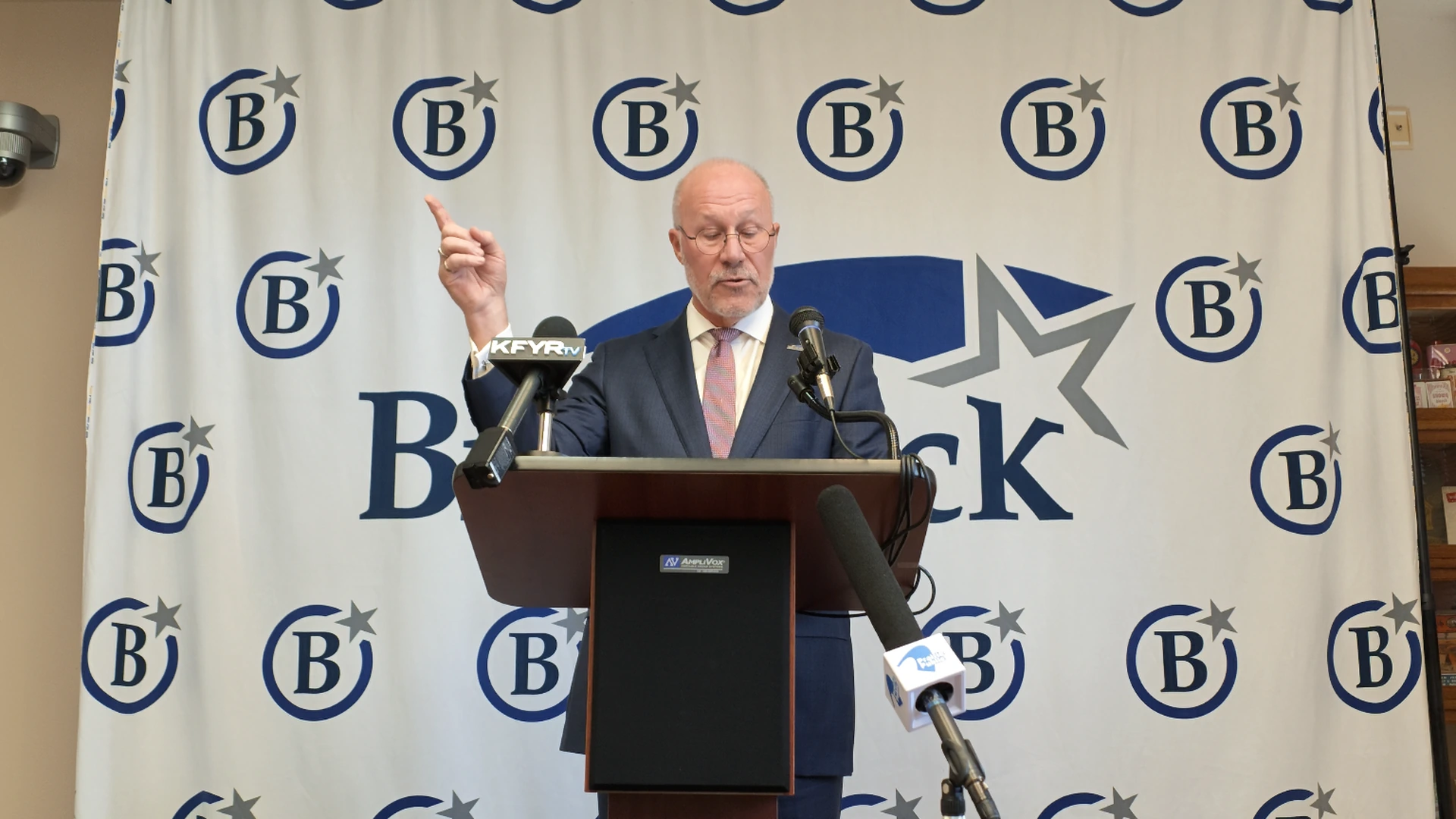
The city is holding a press conference at City Hall at 2 p.m. Tuesday. 701 Report will be there.
This story will be updated as police, the city and service providers respond.
Leave a Reply